A New Plane
The Metropolitan Museum of Art, Sleeping Beauties Exhibition
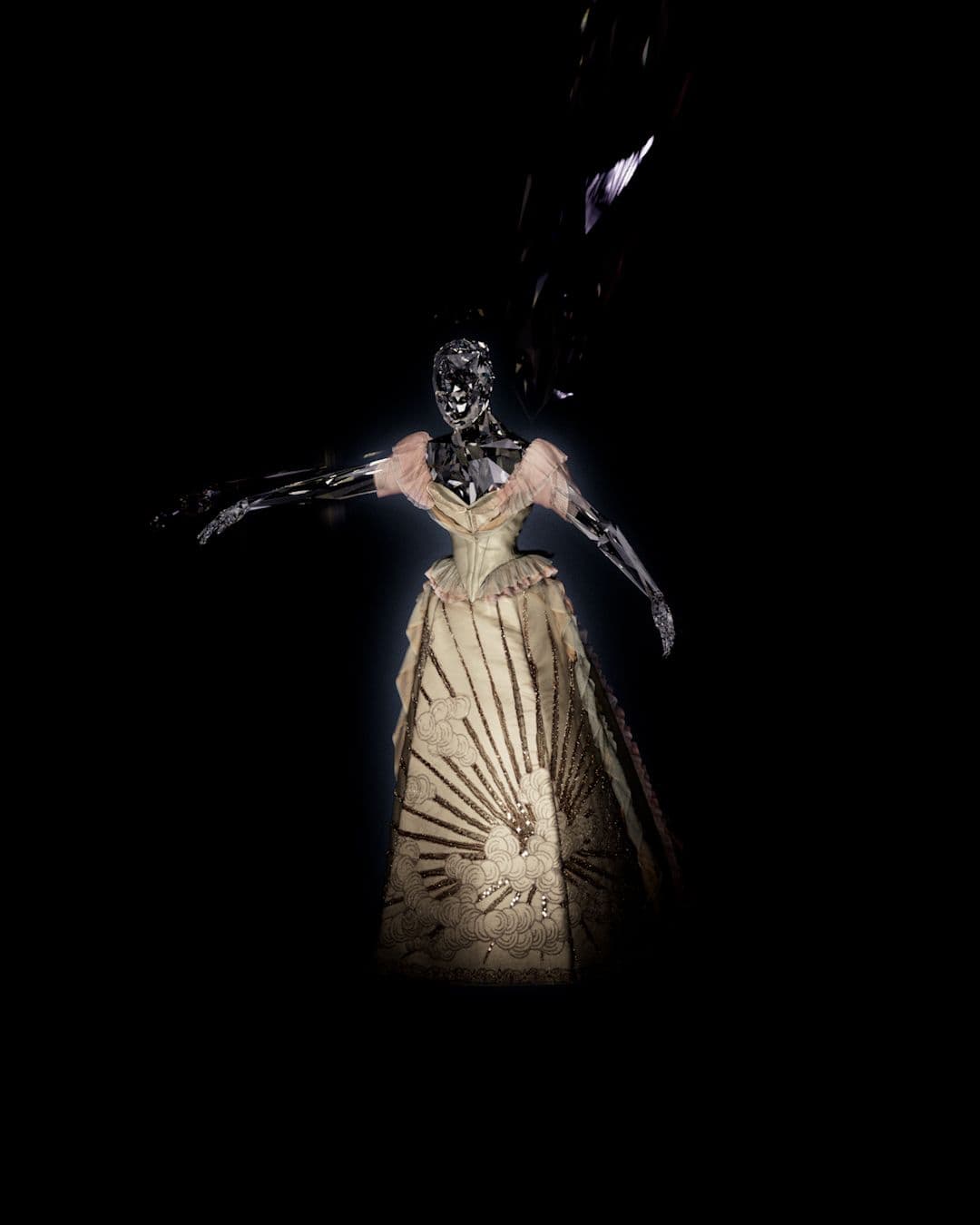
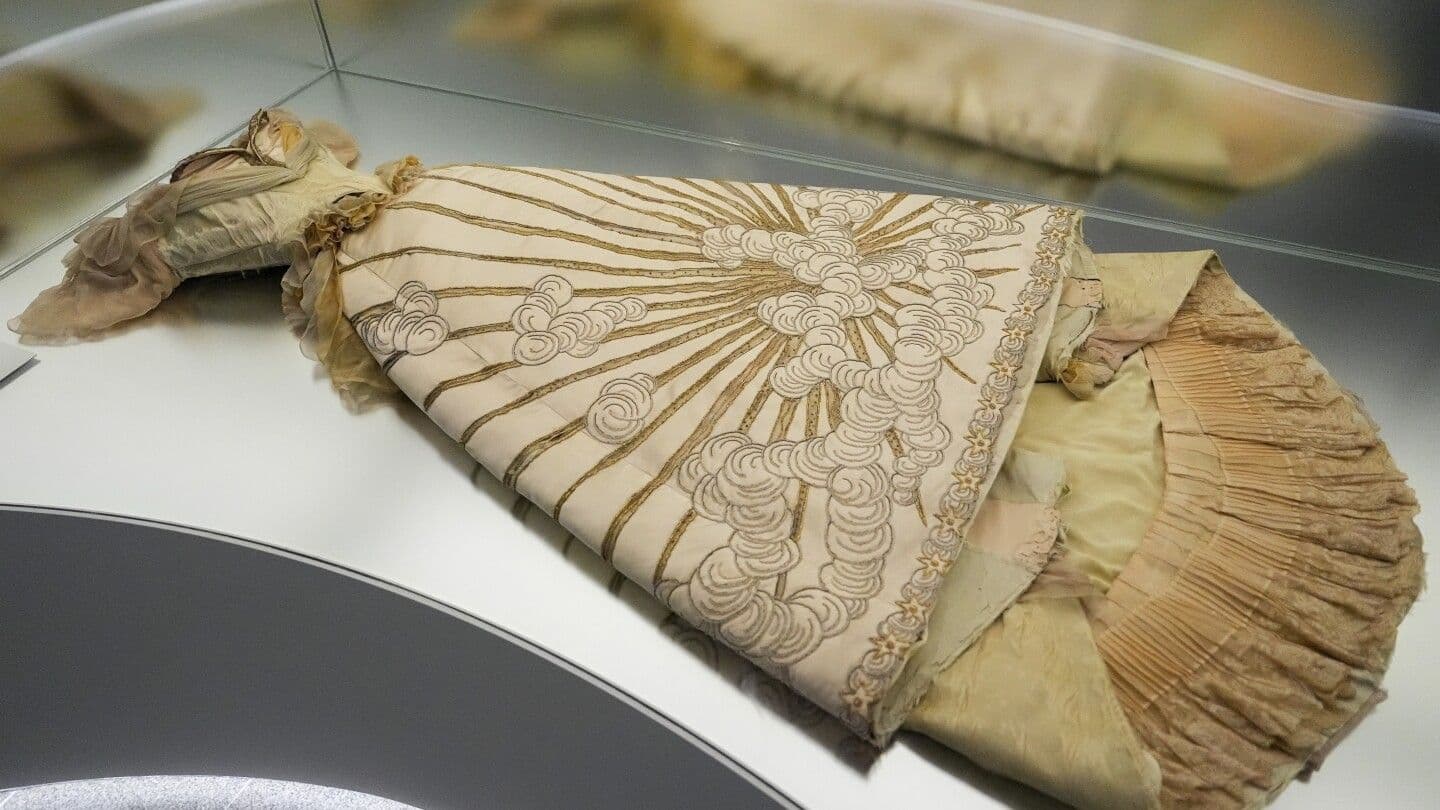
The term "sleeping beauties" is used by the Met's conservators to describe garments in the institute’s collection that are in a state of disrepair, too fragile to be displayed on mannequins. One of the sleeping beauties in the exhibition, a House of Worth gown designed in 1887, was recreated digitally by our team. A New Plane collaborated closely with the Met’s conservators over several months to ensure the dress' digital twin was true to the original garment. To achieve this, we used a combination of 3D scanning, photographic references, and patterns provided by the conservation team. Designed for a ballroom setting, the gown's digital recreation included choreography performed by a professional dancer. This movement was applied to our ghostly mannequin inspired by the crystal chandeliers that lit up ballrooms of that era. The film was displayed as a near life-sized hologram created using the Pepper's ghost technique. To refine the projection, a full-scale prototype was constructed in London, allowing for thorough testing and iteration. A New Plane collaborated closely with the architects on the final construction to achieve the most compelling experience.
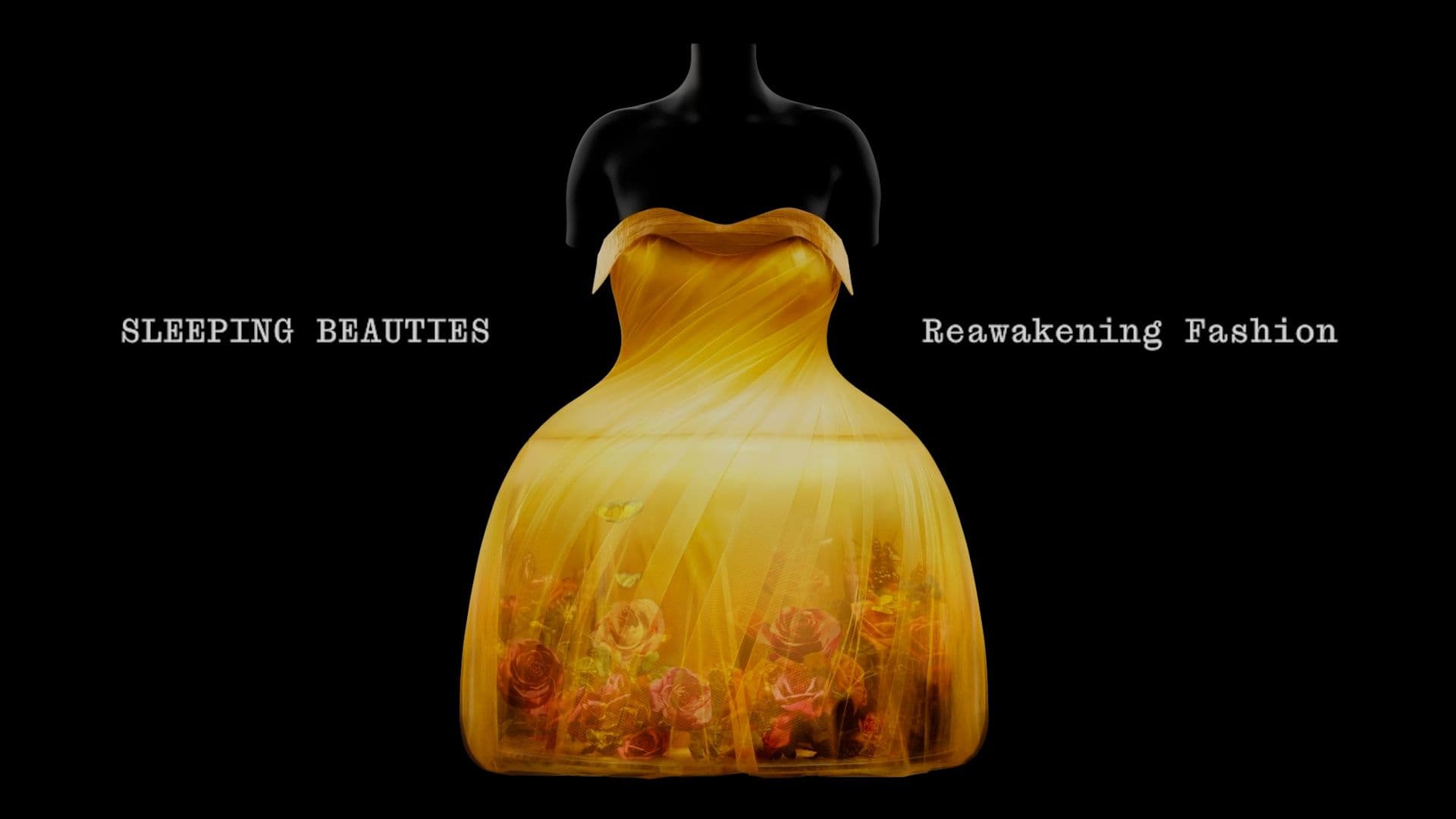
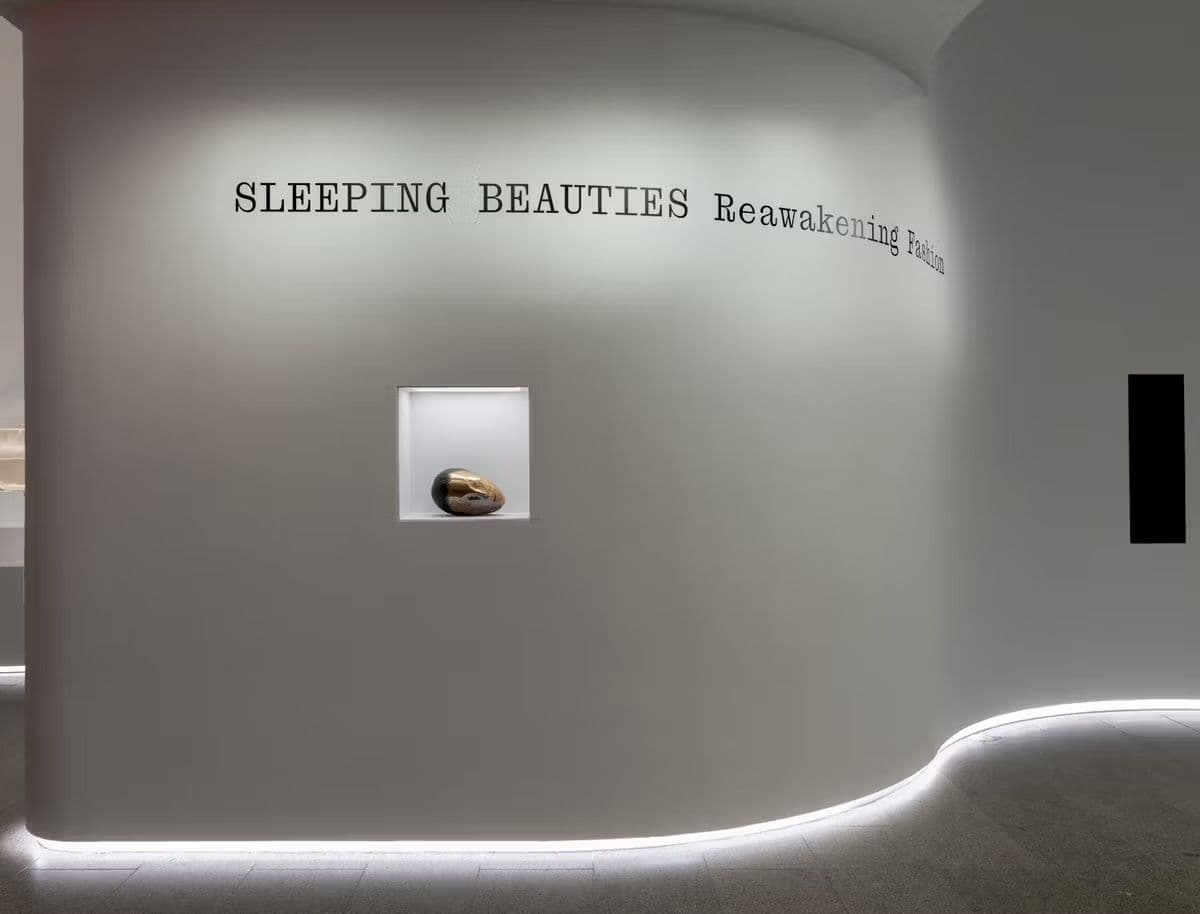
Once a garment enters the Costume Institute’s collection, it is forever preserved as an art object, never to be worn again for conservation purposes. The Institute’s 2024 exhibition Sleeping Beauties: Reawakening Fashion explored how technologies can reawaken the sensorial qualities of historical garments. A New Plane played a key role in the development of the show, working closely alongside creative consultant Nick Knight and curator Andrew Bolton to prototype and craft a series of audio-visual activations across the show featuring a pepper’s ghost hologram, digital reconstructions of historical garments, animated digital avatars, AI, gaussian splats, 3D printing, projection mapping and immersive soundscapes.
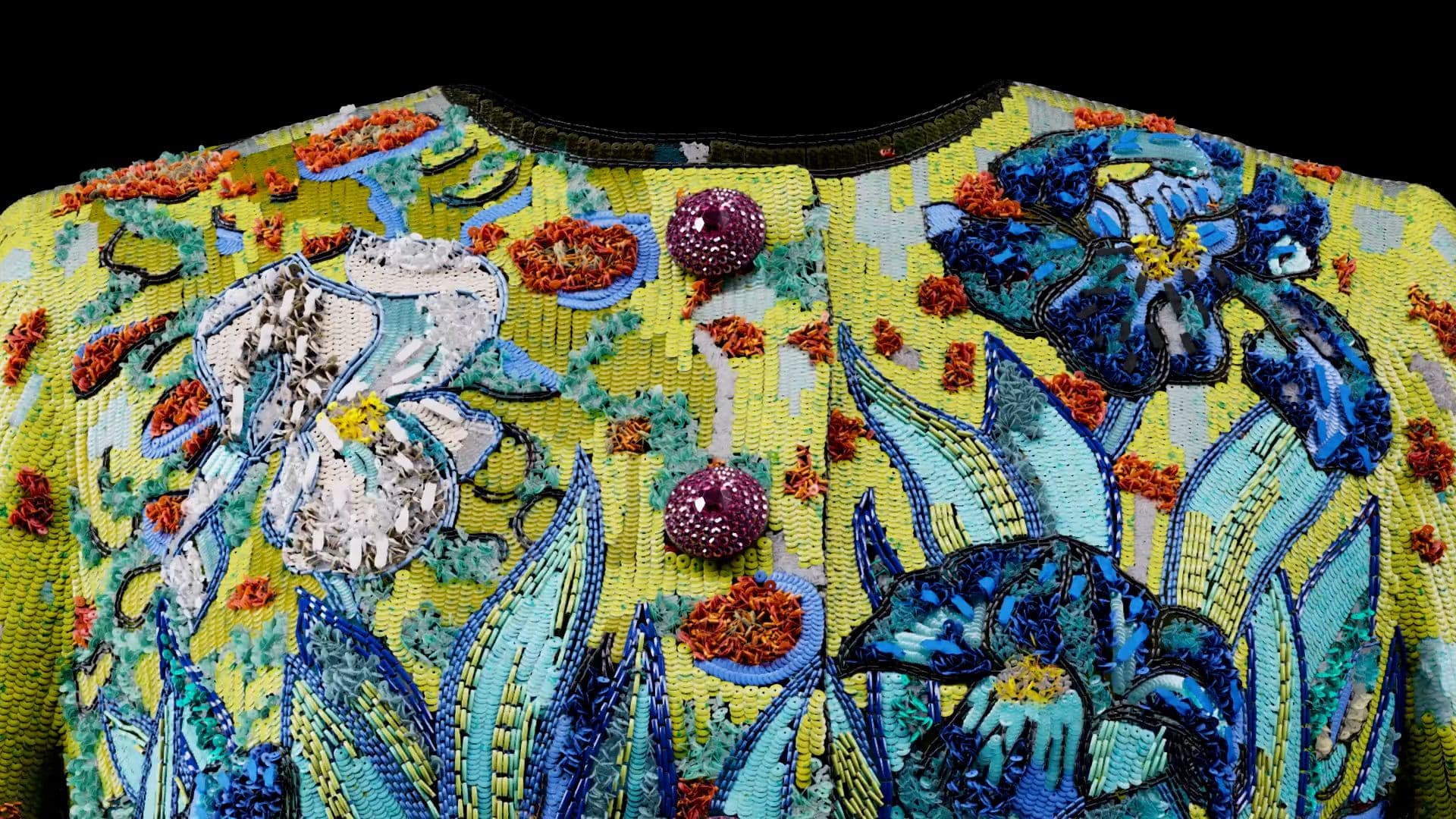
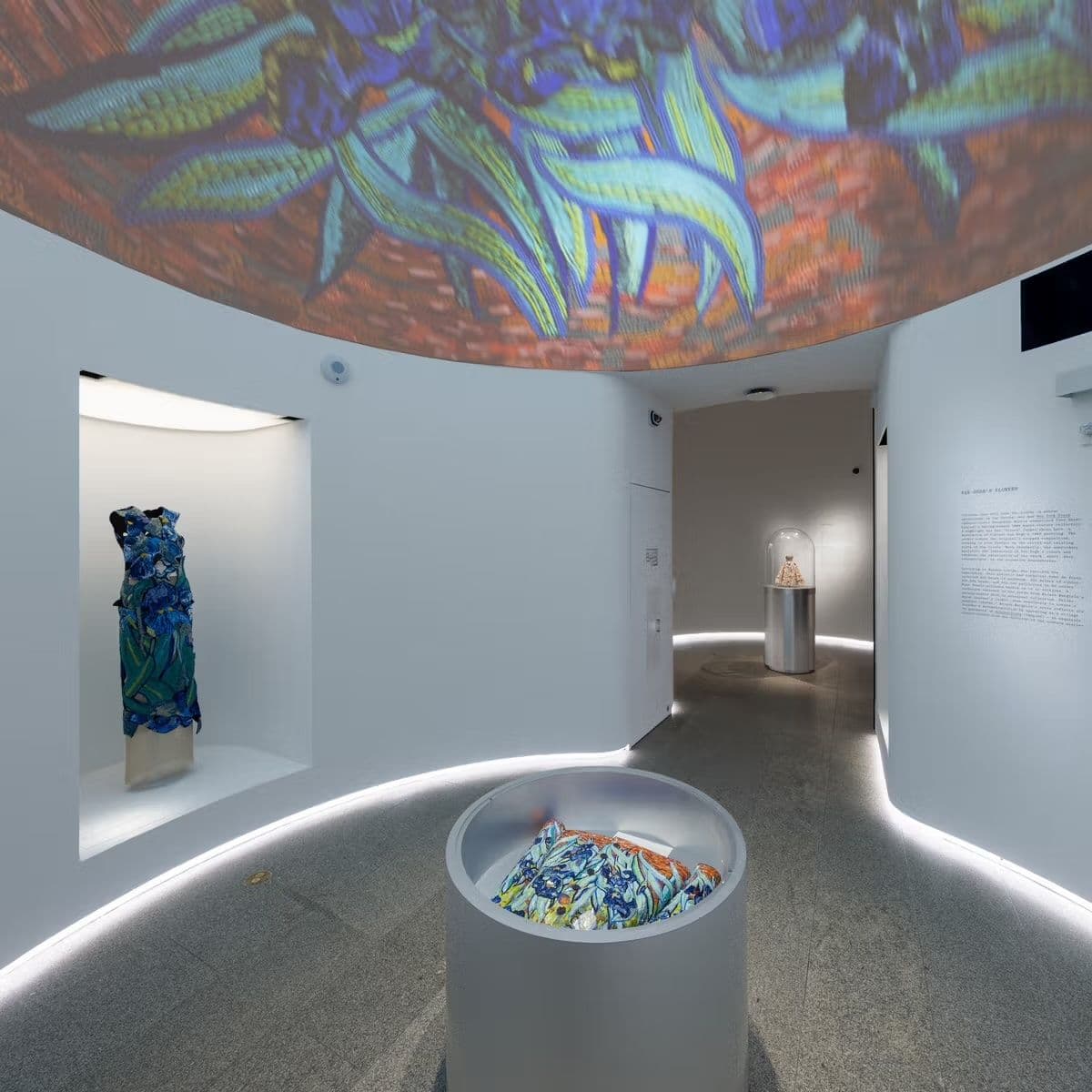
Digital recreation of Yves Saint Laurent's 1988 Irises jacket
One of the exhibition’s stand-out pieces is a 1988 haute couture jacket by Yves Saint Laurent that was inspired by Vincent van Gogh's 1889 painting Irises. Crafted by the renowned embroidery atelier Maison Lesage, the jacket took over 600 hours of handwork, incorporating 250 meters of ribbon, 200,000 beads, and 250,000 sequins in 22 colours. An immersive ceiling projection created by A New Plane placed visitors inside the jacket. Recreating the jacket required a high level of digital craftsmanship, with 255,000 digital beads applied through procedural CG techniques. Reversing the garment to be inside out, a virtual camera travelled up through it, fully immersing viewers in the jacket’s exquisite embroidery and vibrant colours. Each bead has a digital thread woven through it, allowing us to "simulate" the entire jacket over two days, meaning each bead falls in a natural position. Every bead has a set of randomised properties, ensuring no two beads are identical in appearance.
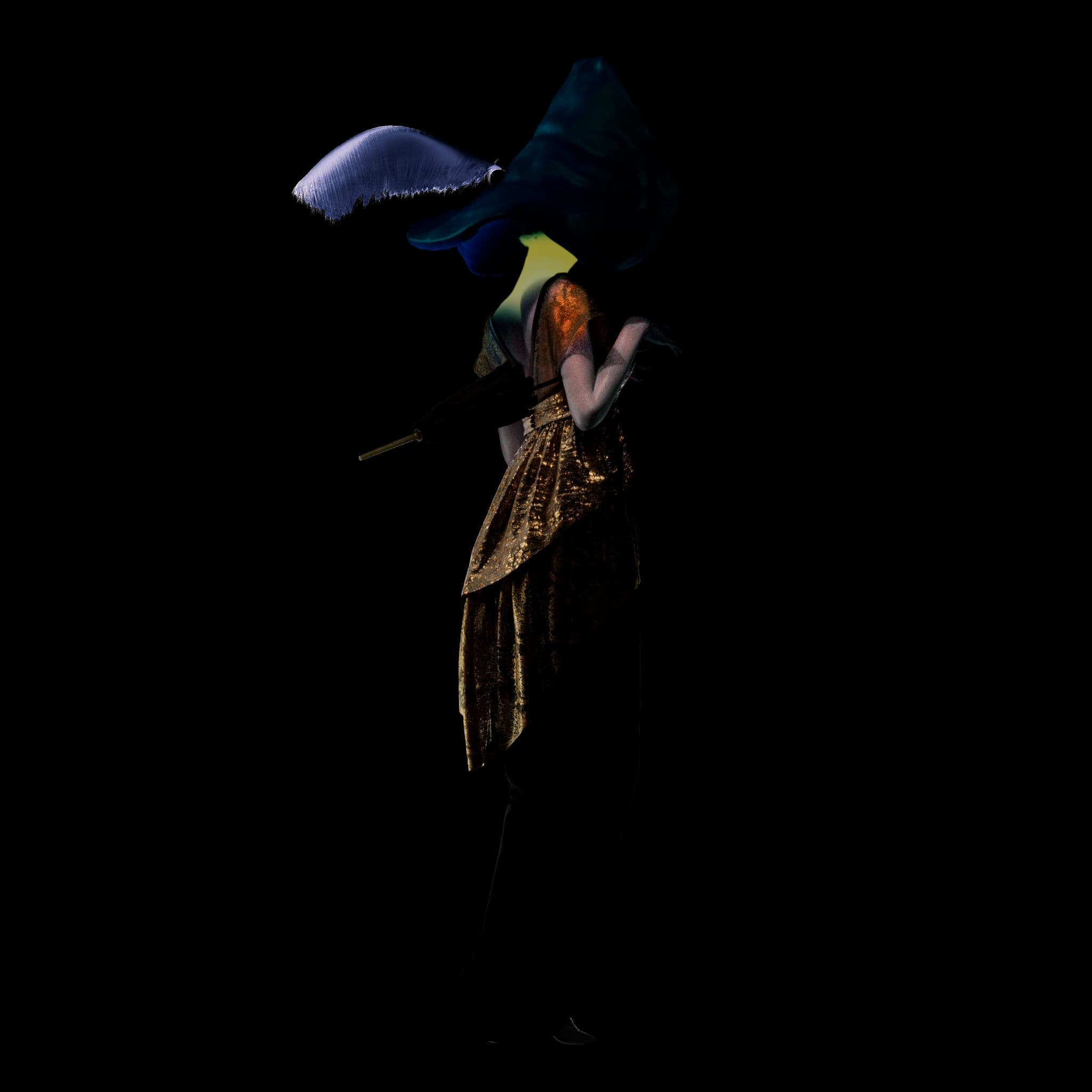
Jeanne Hallée’s 1913–1914 evening dress epitomises the iconic hobble skirt style of the early 1910s, a popular but controversial silhouette. Its narrow hem restricted movement and forced wearers into a distinctive shuffling gait. The satirical cartoonist Georges Goursat (known as Sem) mocked this trend, famously caricaturing wearers as insect-like figures. A film displayed in the exhibition as a pepper's ghost hologram, conceptualised and designed by A New Plane and Nick Knight, extends this visual metaphor in CGI, portraying the dress on our model Jazzelle Zanaughtti who spontaneously transforms into a mantis. We 3D scanned a variety of insects and brought different elements from each together to create a hybrid creature. Our team also worked closely with the Institute's conservators to recreate Jeanne Hallée's dress. A complete physical replica was also made by the conservation team to fit Jazzelle's measurements so that the effect of the restricted movement could be accurately studied and captured in a motion capture studio.
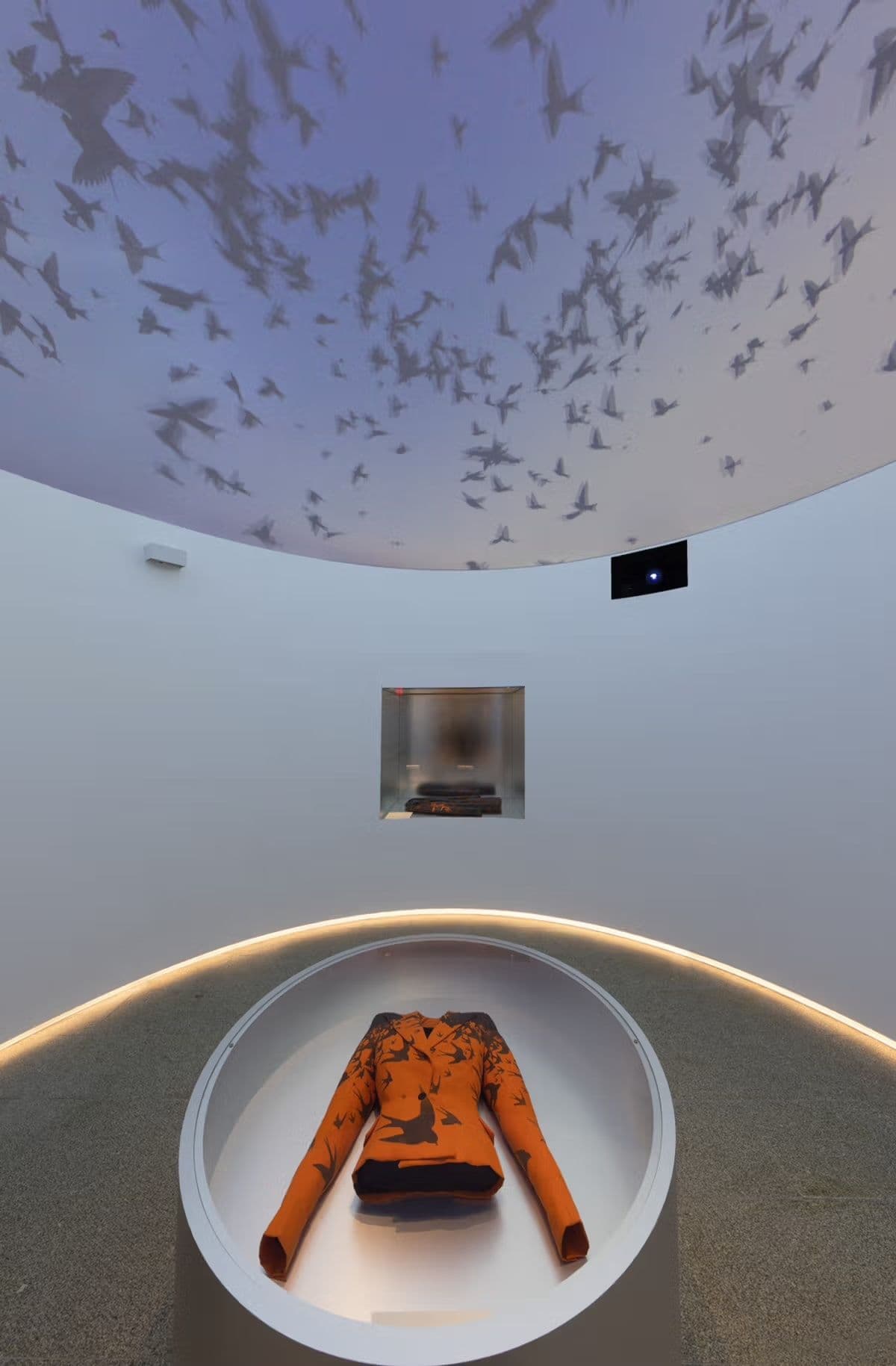
An immersive installation conceptualised and designed by A New Plane shows swallows gathering in slow, deliberate movements before erupting into a frenzy – until everything suddenly turns black, and feathers drift gently to the floor. The film’s foreboding atmosphere was inspired by the garments displayed in the room. At its center, a blazer by Alexander McQueen from the designer’s 1995 "The Birds" collection pays homage to Alfred Hitchcock’s iconic film. Nearby, a dress by Madeleine Vionnet, created on the brink of war, marks her final design before closing her atelier and fleeing Paris in 1940. The installation's menacing soundtrack, composed by sound designer Adam Parkinson, incorporates bird sounds crafted by Pieter Pichler—one of the few trautonium players worldwide we could find who was trained to use the instrument by its inventor, Oskar Sala, who was the composer behind the original trautonium sounds featured in Hitchcock’s film.
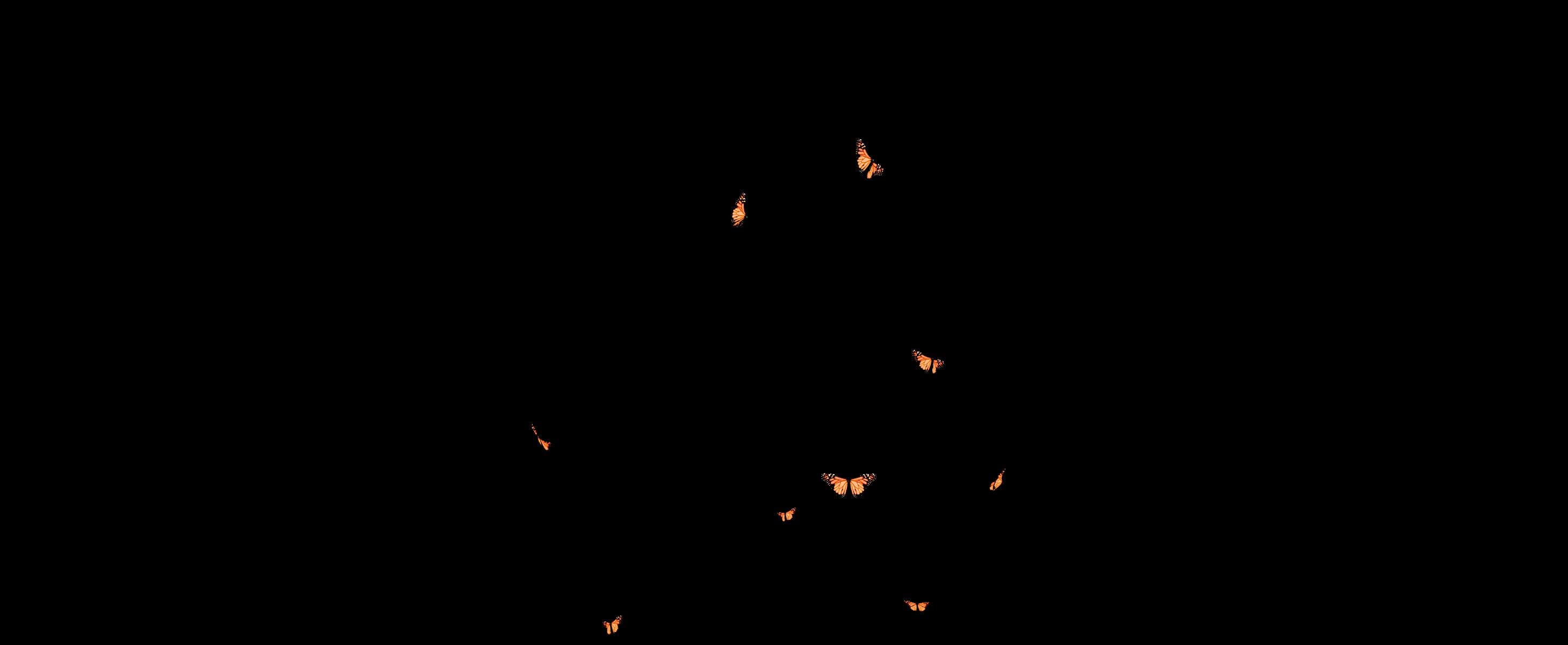
Sarah Burton's iconic trompe l’oeil butterfly dress for Alexander McQueen was the starting point for this film. A carapace embellished with meticulously cut, dyed, and painted turkey feathers, the dress mirrors the vivid pattern of the monarch butterfly - a perrenial motif of the house and a symbol of hope, resilience, and endurance. These qualities were brought to life in an animation by A New Plane projected onto a series of semi-transparent scrims placed above visitors' heads, creating a 3-dimensional immersive experience.
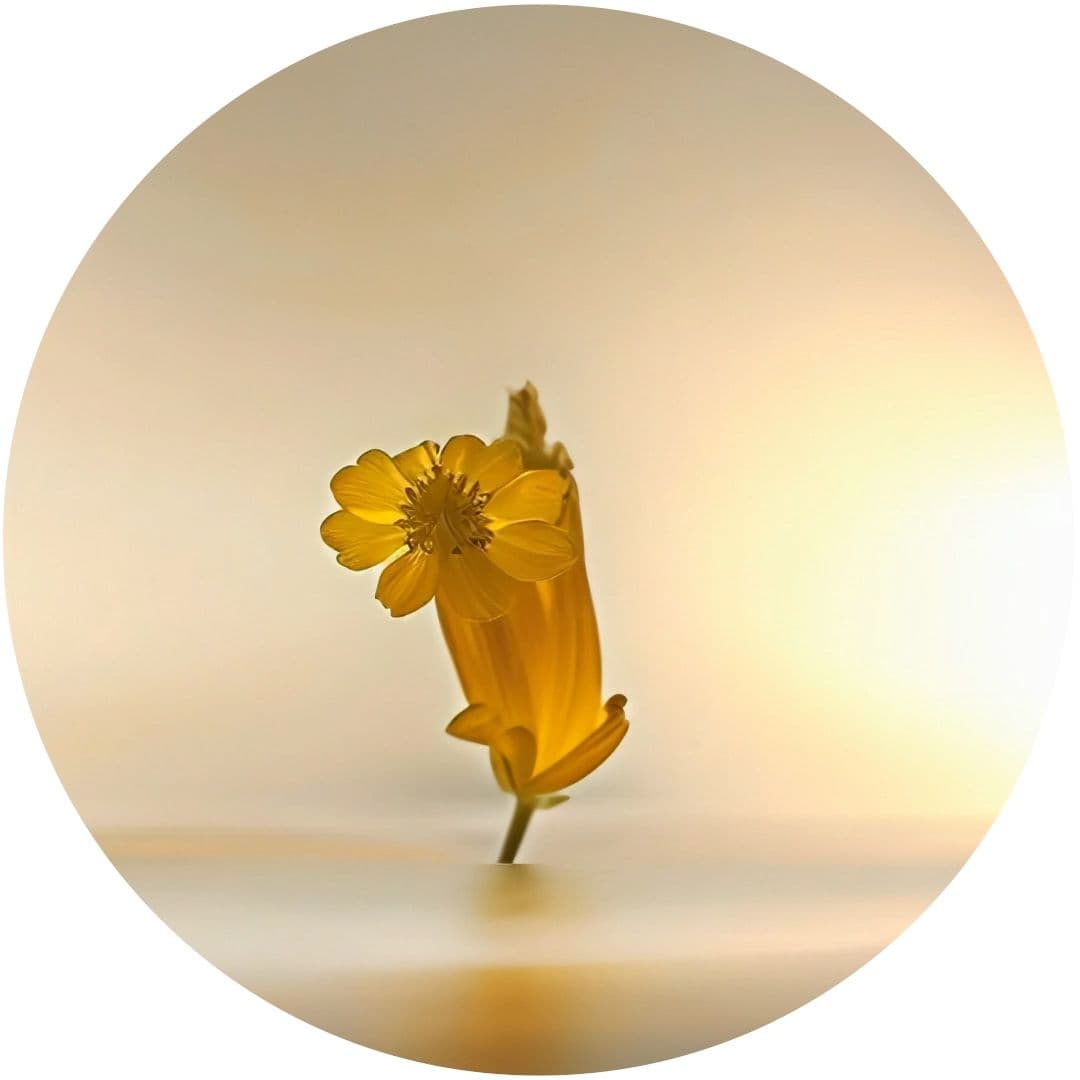
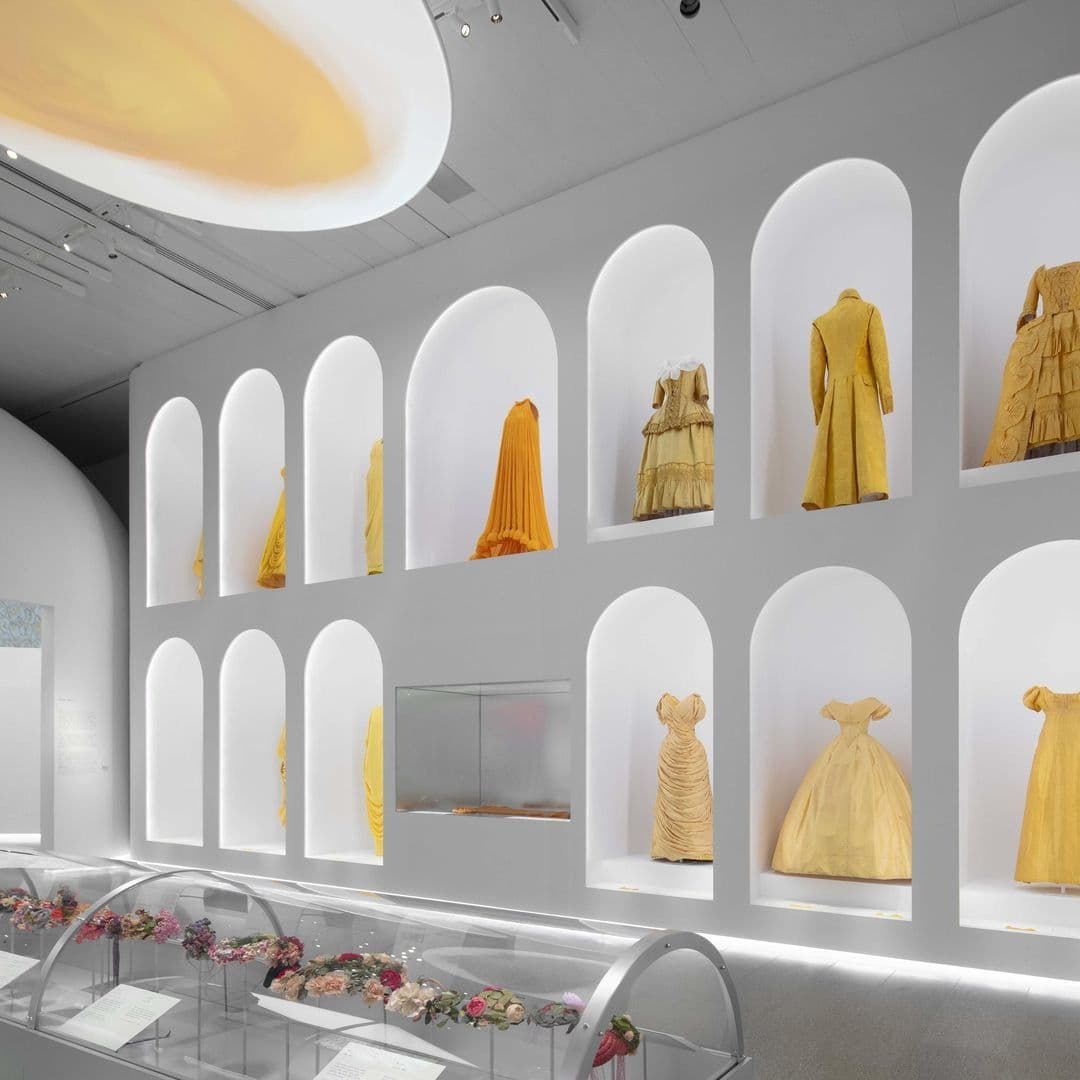
For thousands of years, before the advent of synthetic dyes, the most vibrant yellows came from the weld plant. This historical connection between fashion and nature inspired a film projected onto a sun-like disc, suspended in the largest gallery space. The film showcases a Lanvin dress designed by Alber Elbaz and worn by model Jazzelle Zanaughtti and was created using AI and gaussian splatting technique to merge the concepts of a sun, a flower, and a dress into a unified, kaleidoscopic vision. To achieve the best results possible for the gaussian splats, we worked with a team specialising in nerf capture, utilising over 400 cameras to capture the best possible results.
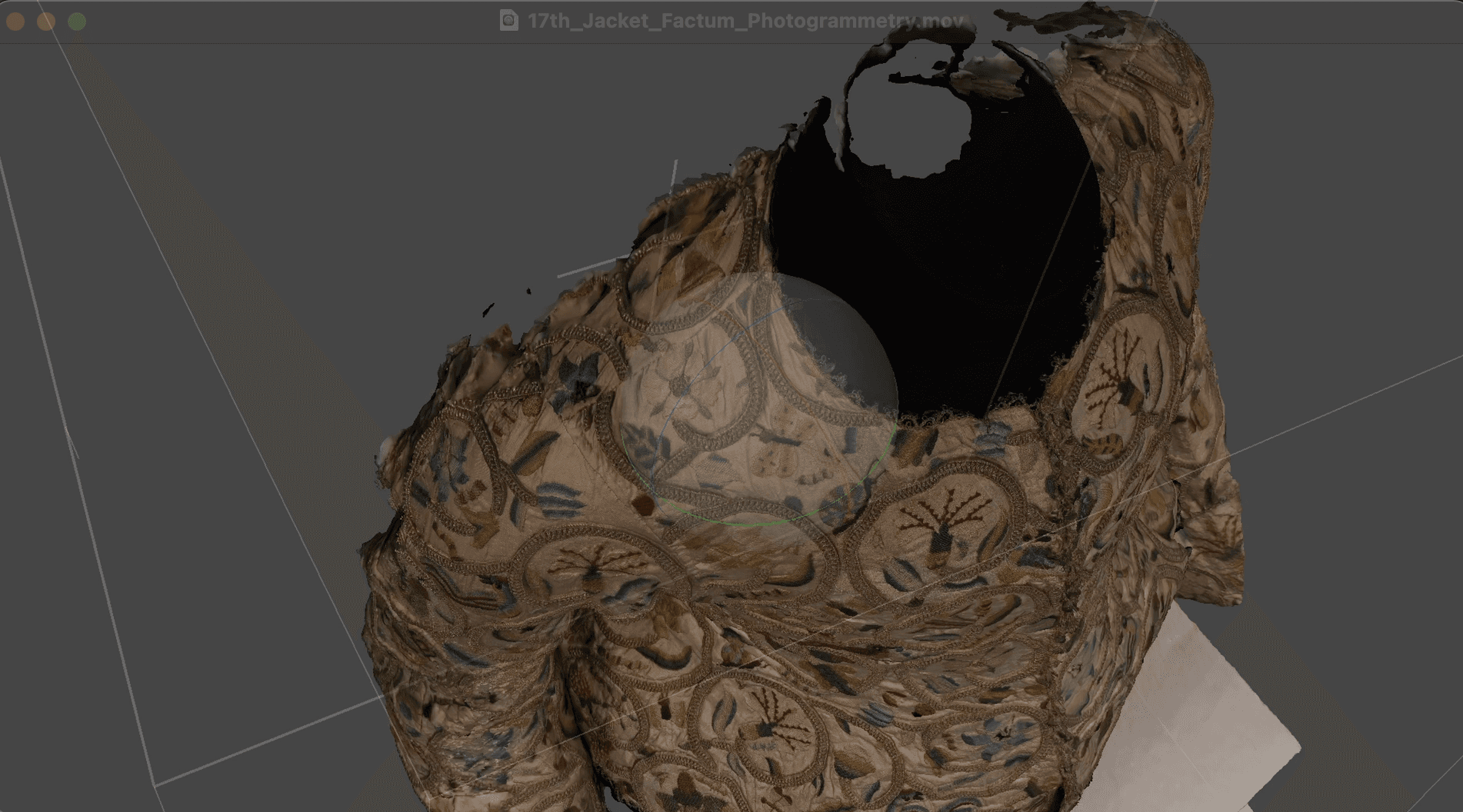
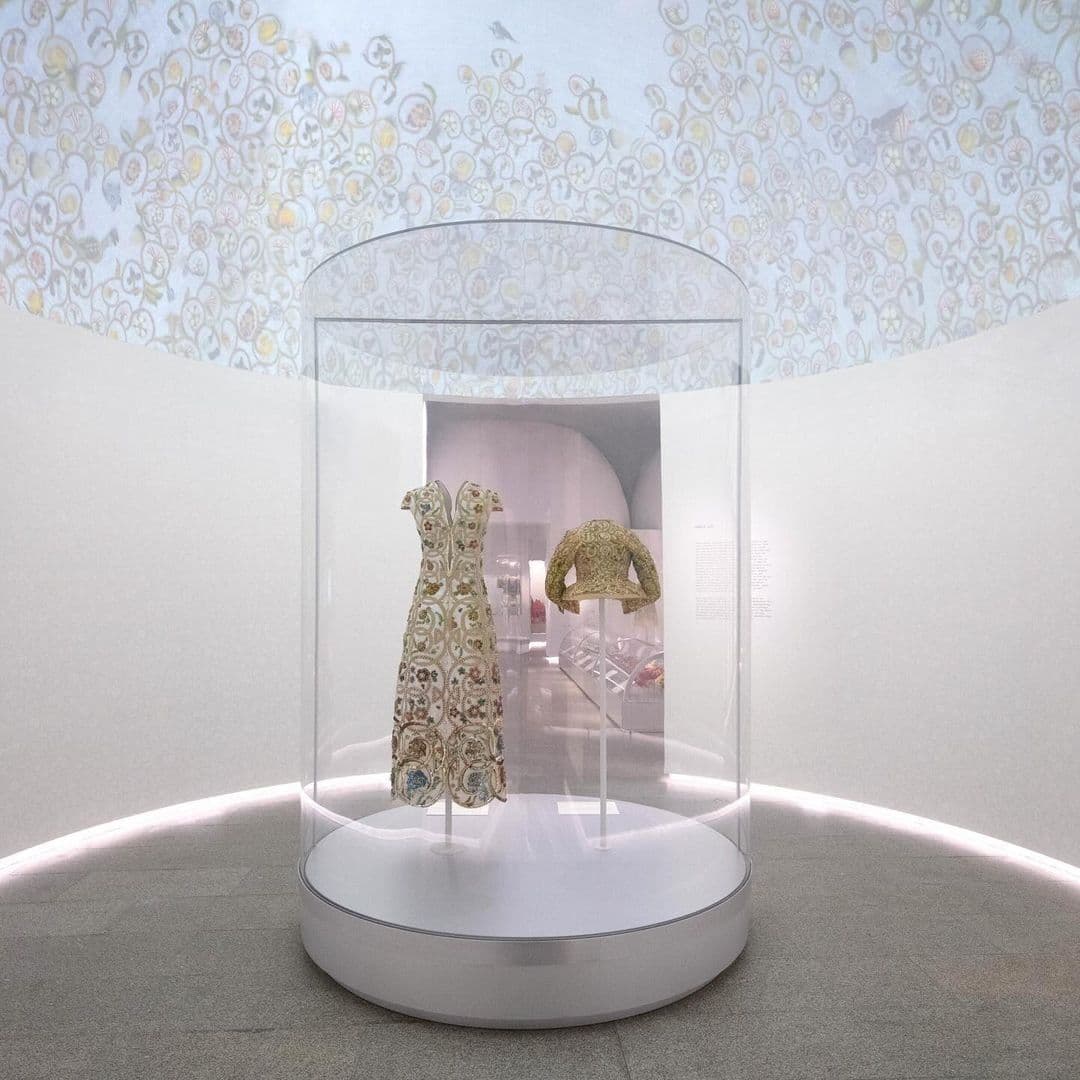
A New Plane reimagined an intricately embroidered seventeenth-century waistcoat as a serene English garden within the exhibition. Above the garment's display, a domed ceiling projection animated the scene: strawberries ripen, pea-pods split open, and birds dart after dragonflies and caterpillars wiggle. To achieve this intricate animation, we employed advanced scanning techniques in collaboration with Factum, a Madrid based team who specialize in recreating historical artifacts. Factum accompanied us to the Costume Institute in NYC with highly specialised 3D scanning equipment to capture the bodice in micro-detail. Once equipped with our scan data, we worked with an animator to seamlessly transpose the elements onto a 360-degree dome. Enhancing the immersive experience, sound designer Matt McCorkle crafted an ASMR soundscape that echoed with the rustle of leaves, the chirp of birds, and the hum of insects, transporting visitors to the heart of a vibrant, living garden.
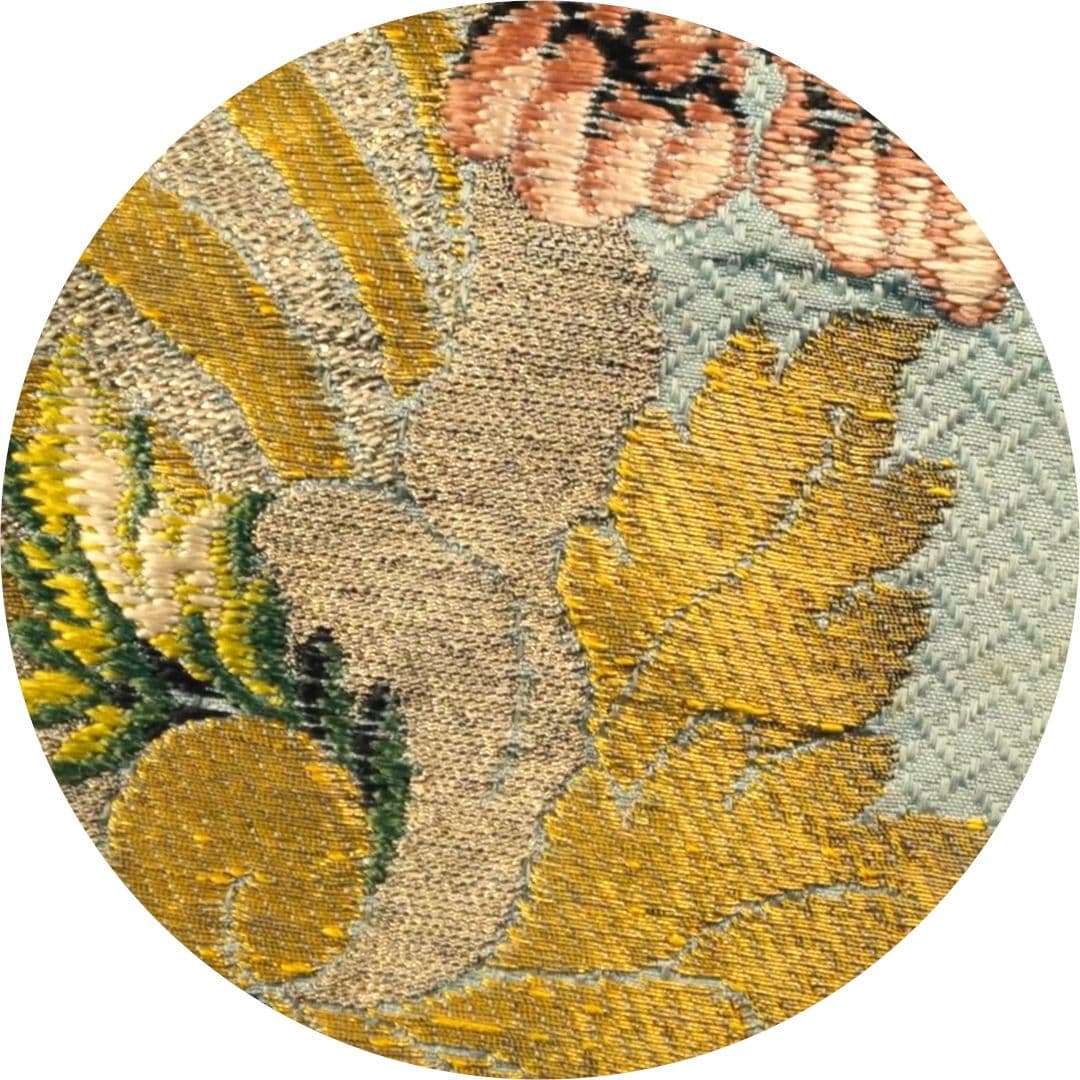
Anna Maria Garthwaite was a pioneer in 18th-century textile design. She created detailed botanical watercolour patterns, which were then expertly woven into elaborate fabrics by Spitalfields weavers. The process was visualised in a projection by A New Plane displayed on a disc above the garment within the exhibition. To recreate the pattern, we visited Garthwaite's original design preserved in the V&A archives.
Creative Consultant:
Nick Knight
Curator:
Andrew Bolton
Production:
Liberte Productions
About